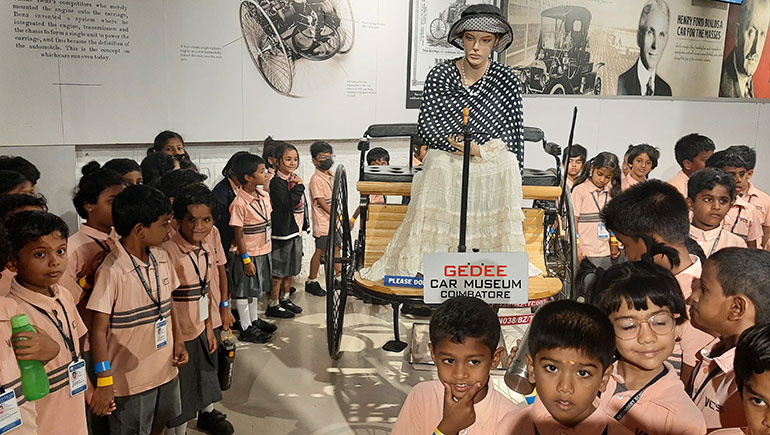
Field trips at school are an important part of the learning experience, offering students a chance to explore the world beyond textbooks and classrooms. These excursions are carefully planned educational journeys that provide a myriad of benefits.
First and foremost, school field trips enhance students’ understanding of various subjects by providing real-life context. Whether it’s visiting a historical site, a science museum, or an art gallery, students can see, touch, and experience what they have learned in class. This hands-on approach deepens their knowledge and fosters a greater interest in learning.
Additionally, field trips promote social skills and teamwork among students. Through interactive activities and group discussions, students learn to collaborate, communicate, and solve problems together. These experiences contribute to their personal development and prepare them for future challenges in the professional world.
Furthermore, field trips encourage students to be curious and ask questions. Exploring new environments sparks their creativity and imagination, leading to a more profound engagement with the learning material. It also helps students develop a sense of independence as they navigate through different places and situations under the supervision of their teachers.
Teachers, too, benefit from organizing field trips. They can observe students in a different light, understanding their strengths and weaknesses outside the classroom setting. This insight aids in tailoring future lessons to better suit the needs of the students.
In conclusion, school field trips are invaluable educational experiences that enrich students’ knowledge, social skills, and overall personality development. By stepping outside the school premises, students and teachers alike embark on a journey of discovery, making learning a vibrant and unforgettable adventure.